
How Westminster Suburb Clues Help Buyers Tour Smarter
How to Read Westminster’s Suburban Clues Before You Fall in Love With a House
House hunting is rarely just about square footage and finishes. In a place like Westminster, the smartest buyers pay attention to the subtle signs around a home long before they start comparing countertops or debating paint colors. The neighborhood rhythm, the commute patterns, the age of nearby homes, the feel of the parks, and the condition of adjacent streets can all tell you whether a property will truly fit your lifestyle after closing day.
That is where a more observant tour strategy can make a big difference. Instead of treating each showing like a quick walkthrough, buyers can use every visit to gather clues about daily life, future resale appeal, and potential costs. With Amanda Schmitt of Sears Real Estate, that process becomes even more valuable because her financial and tax-accounting background helps clients think beyond emotion and evaluate what a purchase may mean in practical terms too.

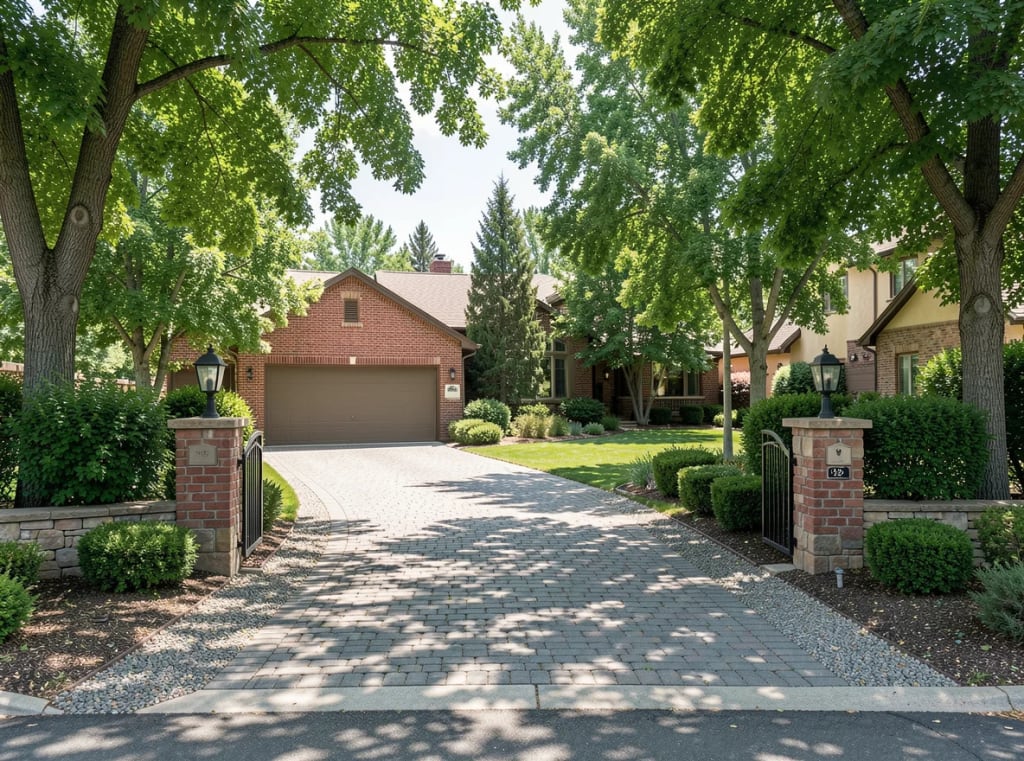
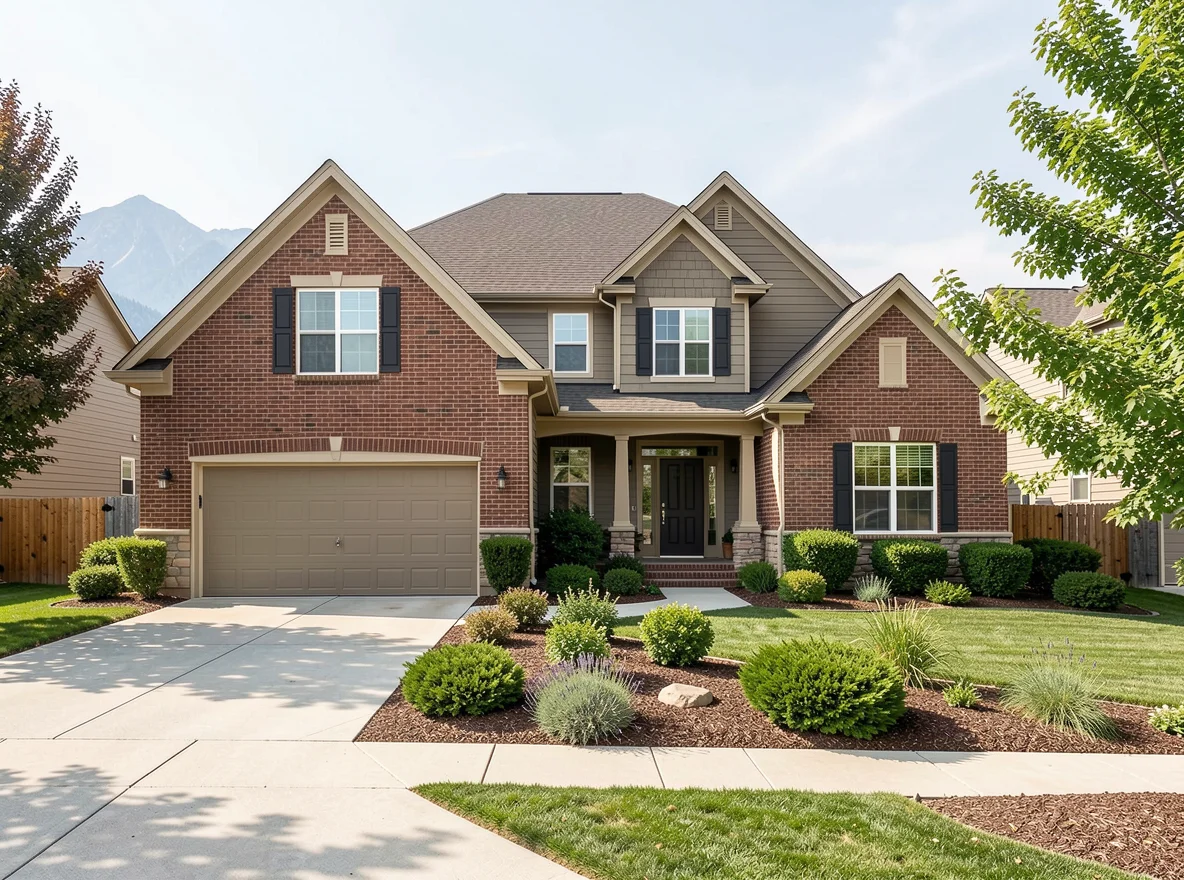
Start outside before you step inside. One of the easiest ways to tour smarter is to pause at the curb and study the setting. Are the yards consistently maintained? Do driveways and sidewalks look cared for? Are there mature trees, open views, nearby trails, or a sense of privacy between homes? In Westminster, where buyers can find a mix of established subdivisions, newer developments, and pockets with different architectural styles, the exterior context often reveals whether a home is part of a stable, well-loved block or an area with more uneven upkeep.
It also helps to notice how the neighborhood moves at different times of day. A peaceful midday showing may not reflect the school pickup rush, commuter traffic, or evening activity. Buyers who circle back for a second visit often learn far more than they did on the first. Is parking tight? Are nearby roads noisy? Do you hear trains, highway traffic, or heavy recreation use from a nearby park? None of these details automatically rule out a home, but they should be part of the decision-making process.
Westminster appeals to many buyers because it offers access to both Denver and Boulder, along with parks, trails, golf, shopping corridors, and varied housing options. That convenience is a major asset, but it also means micro-location matters. A home that looks similar on paper can feel completely different depending on whether it sits near open space, in a cul-de-sac, by a busier arterial road, or close to schools and community amenities. Touring smarter means learning to spot those distinctions in real time.
Look for the Lifestyle Match, Not Just the Feature List
Many buyers enter showings with a checklist: number of bedrooms, updated kitchen, fenced yard, finished basement. Those items matter, of course, but they do not tell the whole story. A better question is whether the home supports how you actually live. If you work remotely, is there a quiet space away from the main living area? If you entertain often, does the layout flow naturally? If weekends are for biking, golf, or time outdoors, how close are you to trails, recreation, and open space?
In Westminster, lifestyle can be one of the strongest drivers of satisfaction after move-in. Some buyers want a neighborhood with easy access to community events, playgrounds, and schools. Others want a calmer residential feel with established landscaping and room to breathe. Still others care most about commuting efficiency or proximity to regional employers. During a tour, the clue is not just what the home offers, but whether the surrounding area reinforces the life you want to build there.
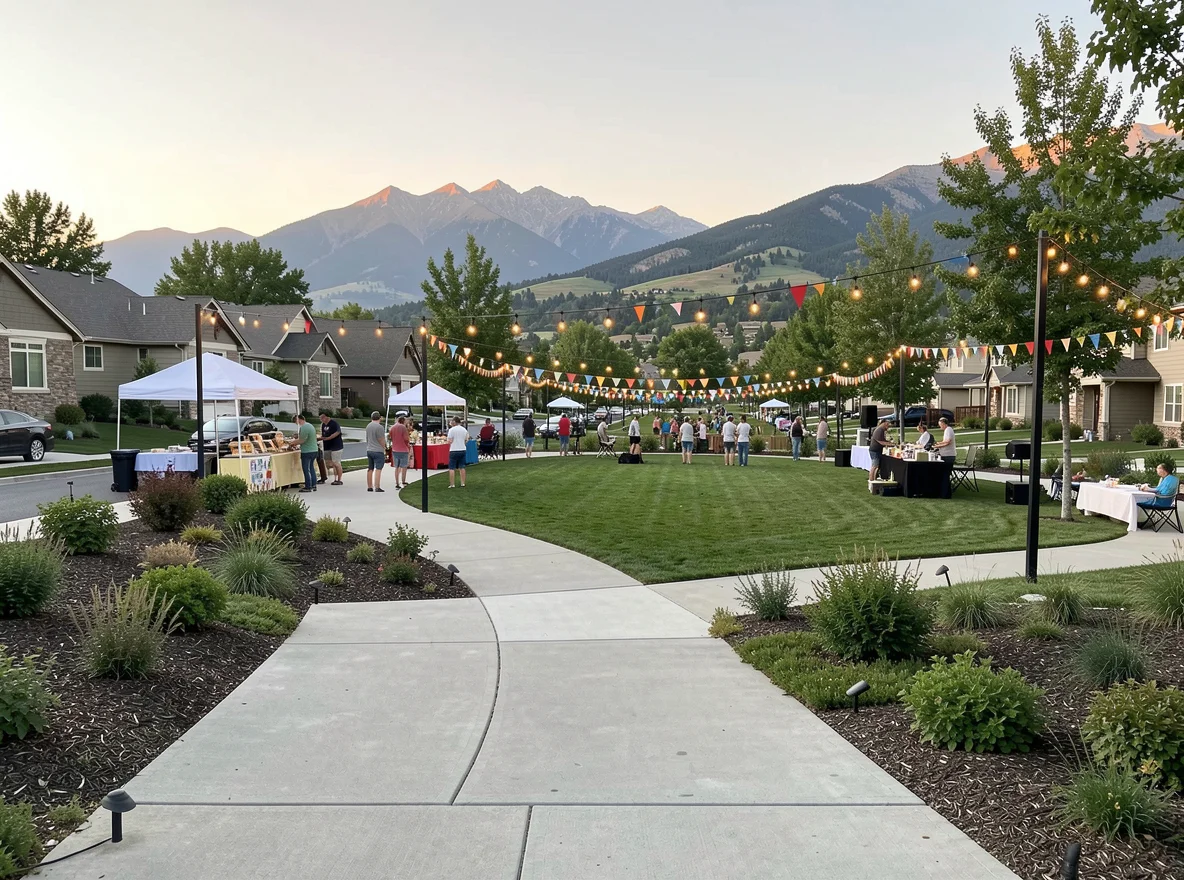
That is also why nearby amenities deserve attention. Parks, golf courses, paths, libraries, and gathering spaces add more than convenience; they shape daily routines and long-term enjoyment. If a buyer sees joggers on trails, neighbors out walking dogs, or families using green space, those are useful clues about community engagement and the overall atmosphere. Even small signs, like how active a park feels or how close everyday errands are, help buyers picture what ownership will feel like after the novelty wears off.
Schools can be another meaningful part of the equation, even for buyers without children. School reputation and attendance patterns often influence demand, neighborhood identity, and resale strength. During tours, savvy buyers ask not only which schools serve the home, but also how school traffic affects the street, how nearby facilities shape the area, and whether the location may be attractive to future buyers for similar reasons.
The smartest tours balance emotion with evidence. It is perfectly normal to picture your furniture in the living room or imagine summer evenings on the patio. But that excitement should be matched with careful observation of systems, maintenance, neighborhood consistency, and future costs. Amanda Schmitt’s financial perspective can be especially helpful here, because buyers benefit from guidance that connects the charm of a home with the realities of taxes, monthly ownership expenses, and long-term affordability.
Use Neighborhood Signals to Think About Resale From Day One
Even if you plan to stay for years, resale starts the moment you buy. Homes in Westminster can attract a wide range of buyers, from first-time purchasers to move-up households and those seeking a suburban location with strong regional access. That means your tour should include clues about future marketability. Is the floor plan broadly appealing? Is the lot usable? Does the home have features common buyers tend to value, such as natural light, parking, storage, or updated mechanicals?
Beyond the house itself, pay attention to consistency in the immediate area. Neighborhoods with a cohesive appearance, established landscaping, and accessible amenities often hold appeal over time. On the other hand, homes that back to loud roads, sit in awkward locations, or require unusually high maintenance may need more careful pricing later. Buyers do not need a perfect property, but they should understand the tradeoffs clearly before making an offer.
Touring smarter also means asking better questions. How old is the roof? Have windows been replaced? What are the HOA rules, if any? Are there planned developments nearby that could affect traffic or views? What does the seller’s utility history suggest? These details may not be as exciting as a renovated kitchen, but they often matter more to your budget and peace of mind. Buyers who gather this information early can make stronger, more confident decisions.
Because Sears Real Estate is a long-established Northern Colorado brokerage, clients also gain the advantage of local perspective grounded in real market experience. That matters in a community where one subdivision can differ noticeably from the next in feel, pricing, age, and buyer demand. When you combine neighborhood awareness with practical financial guidance, a showing becomes more than a tour; it becomes a tool for making a better investment.
Westminster offers a lot to like: access to recreation, a convenient Front Range location, strong suburban appeal, and housing choices for many stages of life. But the best buying decisions usually come from noticing what other buyers overlook. Read the street. Study the surroundings. Revisit at another hour. Ask the deeper questions. When you learn to follow those suburban clues, you do not just find a house you love today—you find one you can feel good about owning tomorrow.
