
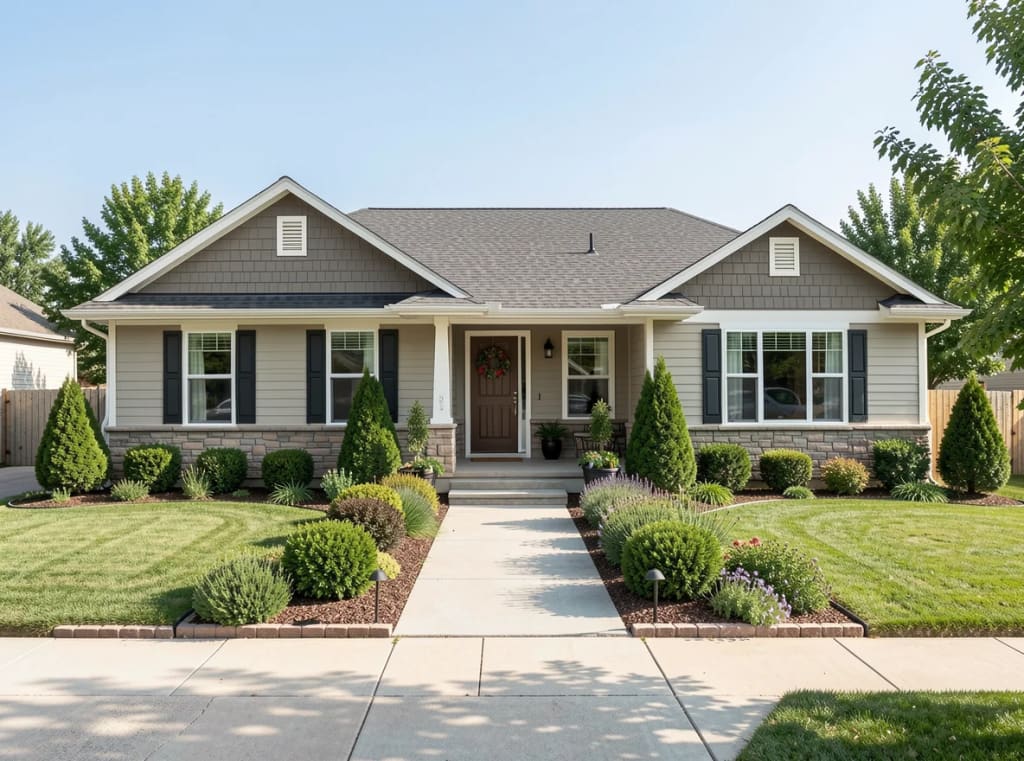
How to Price Your Northern Colorado Home Before You List
How to Price Your Northern Colorado Home Before You List
Getting the price right from day one can shape your entire selling experience. In Northern Colorado, where buyer demand, neighborhood appeal, school boundaries, and property condition all influence value, pricing is never just about picking a number that sounds good. It is about understanding how the market is behaving right now and how your home will be perceived the moment it goes live. A smart launch can create momentum, attract stronger offers, and reduce the risk of sitting too long.

Many sellers begin with online estimates, a neighbor's recent sale, or the amount they hope to walk away with. Those can be useful starting points, but they rarely tell the whole story. Automated values often miss upgrades, layout advantages, lot quality, and the subtle differences between one block and the next. In places like Fort Collins, Loveland, Windsor, Greeley, and surrounding communities, pricing can shift quickly based on inventory levels, commuter access, school reputation, and whether a home feels move-in ready.
A better approach is to think like a buyer. When a new listing appears, buyers compare it immediately against competing homes in the same price range. If your property is priced above homes with better finishes, more square footage, or a more updated kitchen, buyers may scroll past before ever stepping inside. If it is priced strategically, though, it can generate urgency. That early attention matters because the first week on market is usually when interest is highest and your listing has the greatest chance to stand out.
This is where working with an experienced local professional makes a difference. Amanda Schmitt brings a financial and tax-accounting background that helps clients evaluate pricing decisions with more clarity and less emotion. Backed by Sears Real Estate, a long-established Northern Colorado brokerage, she can help sellers look beyond wishful pricing and focus on what supports a smoother transaction. That means reviewing comparable sales, studying current competition, and considering the net effect of pricing choices rather than just the headline number.
What actually affects your asking price?
Comparable sales are still the foundation, but not all comps deserve equal weight. A sale from six months ago may reflect a very different market than one from the last 30 days. A home across town may share your square footage yet attract a different buyer pool altogether. The strongest comps are recent, nearby, and similar in style, age, condition, and lot characteristics. Then adjustments come into play: updated baths, finished basements, outdoor living areas, mountain views, backing to open space, or a three-car garage can all influence value.
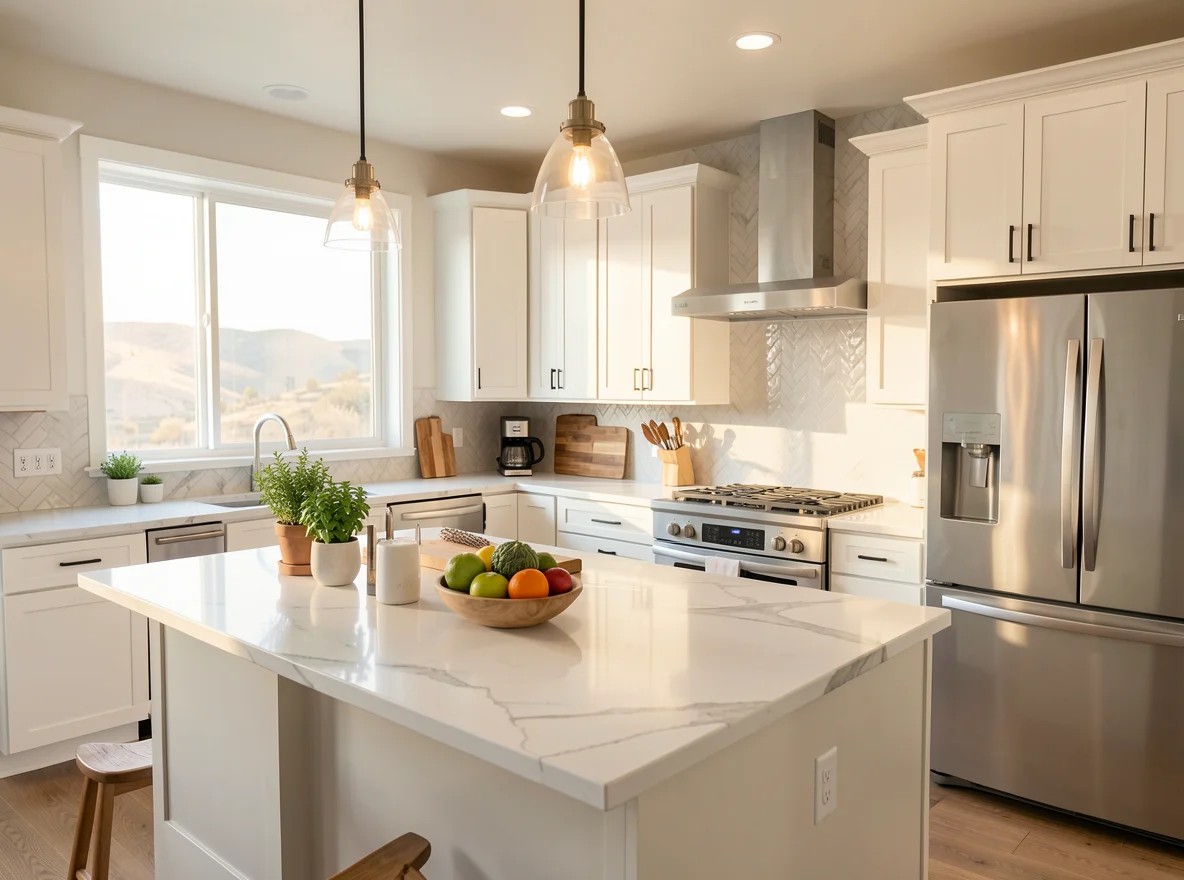
Condition is especially important. Sellers often know their home is clean and functional, but buyers are comparing photos side by side on their phones. Fresh paint, modern light fixtures, repaired trim, and strong staging can make a home feel more valuable even before anyone reads the description. On the flip side, deferred maintenance can push buyers to expect a discount. Pricing should reflect not only what the home is, but how it presents in the marketplace.
Timing matters too. Spring and early summer often bring active buyers, but that does not automatically justify overpricing. In any season, buyers are highly informed. They know when a property is stretching beyond its category. The strongest pricing strategy balances confidence with realism: high enough to protect your equity, but grounded enough to encourage showings and preserve leverage during negotiations.
It also helps to think in pricing bands, not just exact figures. A home listed at a number just above a common buyer search threshold may miss an entire group of qualified shoppers. For example, a home priced slightly above a major search break could lose visibility from buyers who would have loved it if it appeared in their results. Strategic pricing often has as much to do with search behavior as it does with appraised value.
How to avoid the most common pricing mistakes
The first mistake is pricing for negotiation instead of pricing for the market. Some sellers assume they should list high and leave room to come down. In reality, an inflated list price can reduce traffic, weaken urgency, and lead to price reductions that make buyers wonder what is wrong. The longer a home sits, the more negotiating power often shifts away from the seller.
The second mistake is letting emotion set the price. Your memories, effort, and improvements are real, but buyers are focused on value relative to alternatives. A deck built for summer gatherings or a lovingly landscaped backyard may absolutely increase appeal, yet the market may not reward every dollar spent. Pricing works best when it combines pride of ownership with an honest understanding of what buyers will pay today.
The third mistake is ignoring the full financial picture. Your list price is only one part of your outcome. Closing costs, concessions, repairs, timing, mortgage payoff, and tax considerations all affect your net proceeds. Sellers benefit from working with someone who can explain these moving pieces clearly. Amanda Schmitt's background can be especially helpful here, giving clients a practical lens for evaluating offers, concessions, and pricing strategies with their overall financial goals in mind.
Local lifestyle factors can also support value when they align with buyer priorities. In Northern Colorado, many buyers are drawn to access to trails, parks, strong schools, community events, and the balance between outdoor recreation and everyday convenience. Proximity to employers, easy commuting routes, and vibrant neighborhood amenities can all strengthen perceived desirability. These features do not replace solid comps, but they do help shape market response when buyers are choosing between similar homes.
Price for momentum, not just possibility
The best list price is usually the one that creates activity, not the one that simply looks ambitious on paper. Strong pricing invites showings, sparks comparisons in your favor, and can create the kind of early interest that leads to cleaner offers. It positions your home to compete effectively in the current market while still respecting its unique strengths.
If you are preparing to sell, a thoughtful pricing strategy should be one of your first steps, not an afterthought. With local market insight, the support of Sears Real Estate, and a financially informed approach, Amanda Schmitt helps sellers move forward with more confidence and less guesswork. In a market as varied as Northern Colorado, that kind of guidance can be the difference between chasing the market and leading it.
